


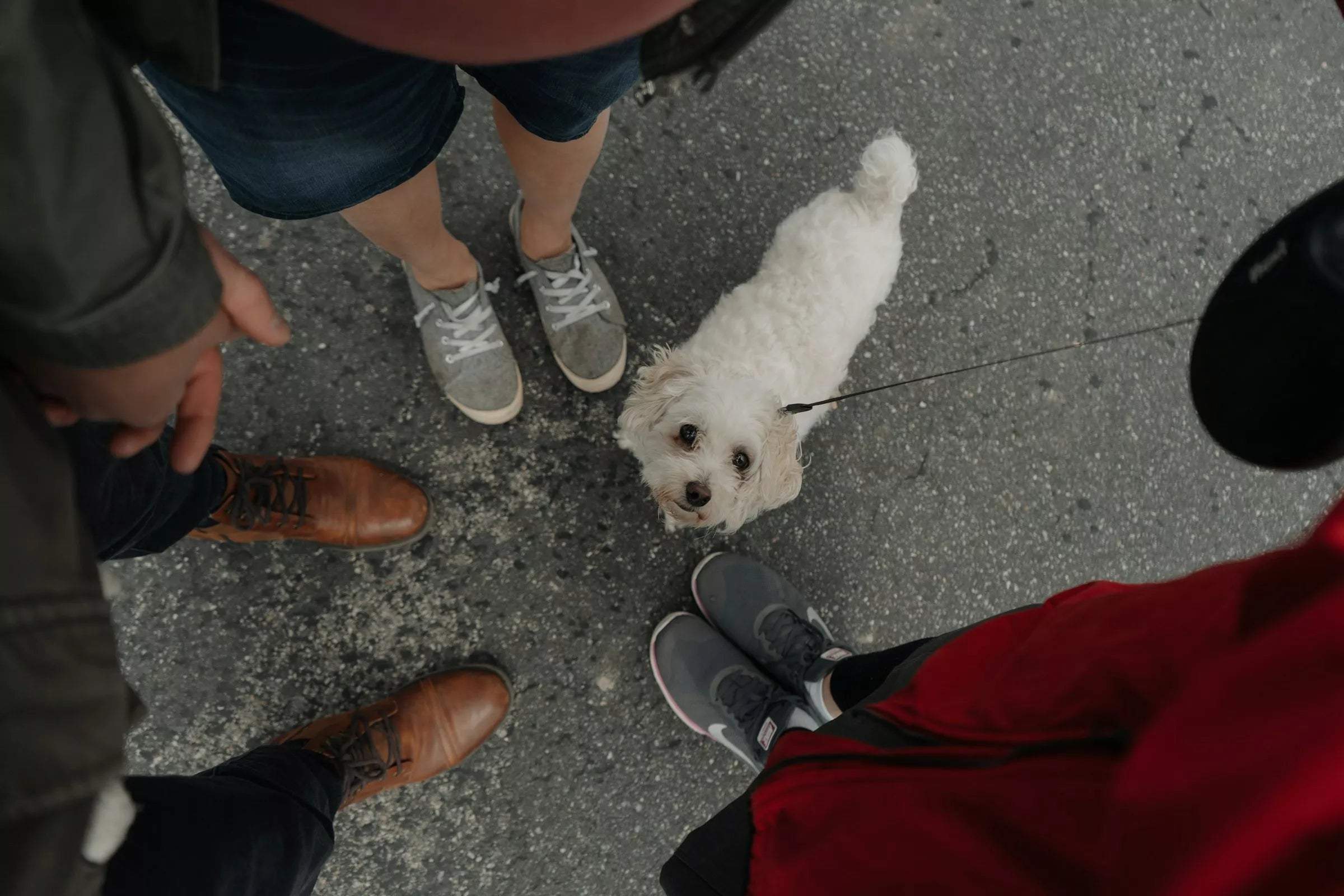
For years, dog owners have been told that longer walks equal happier, healthier dogs.
But modern behavioural science — and a growing understanding of canine stress, enrichment, and physical load — tells a more nuanced story.
In many cases, shorter, well-structured walks are not only sufficient, but actively better for a dog’s wellbeing.
Here’s why less distance can sometimes deliver more benefit.
Mental Stimulation Matters More Than Distance
 Dogs don’t experience walks the way humans do.
While we may think in miles and minutes, dogs process walks through scent, novelty, decision-making, and social information.
A short walk filled with sniffing, environmental engagement, and choice can be far more mentally enriching than a long, repetitive route.
Mental stimulation tires dogs in a healthy, balanced way — often more effectively than physical exertion alone.
Long Walks Can Cause Overstimulation
Longer isn’t always calmer.
Extended walks — especially in busy or unpredictable environments — can flood a dog’s nervous system with stimuli.
This can lead to:
- Hypervigilance
- Difficulty settling after walks
- Increased reactivity
- Over-arousal rather than relaxation
Shorter walks help keep stress hormones lower and allow dogs to process experiences without becoming overwhelmed.
Reduced Physical Strain on Growing and Aging Bodies
 Not all dogs are built for endurance.
Puppies, senior dogs, and breeds prone to joint issues benefit greatly from shorter walks that avoid repetitive strain.
Even healthy adult dogs can experience micro-stress to joints and soft tissue when long walks become routine rather than purposeful.
Movement should support longevity — not wear the body down.
Better Focus and Training Opportunities
Dogs are more receptive to learning when they’re mentally fresh.
Short walks create natural opportunities to reinforce calm walking, loose lead skills, check-ins, and impulse control — without fatigue setting in.
This aligns closely with how dogs learn best: through repetition, clarity, and emotional balance rather than exhaustion.
Building Confidence, Not Just Endurance
 Confidence grows through positive experiences — not distance covered.
Short walks allow dogs to:
- End sessions on a success
- Build positive associations
- Develop trust in unfamiliar environments
This is especially important for shy, reactive, or adolescent dogs, where emotional regulation matters more than stamina.
Every Dog Has Different Needs
There is no universal “correct” walk length.
Age, breed, health, temperament, and lifestyle all play a role.
Some dogs thrive on multiple short walks spread throughout the day, while others benefit from a mix of short enrichment walks and occasional longer adventures.
The key is intention — not obligation.
FAQs
Are long walks bad for dogs?
No — but they aren’t always necessary, and they aren’t always beneficial if they cause overstimulation or physical strain.
How long should a short walk be?
Anywhere from 10 to 30 minutes, depending on your dog’s age, health, and mental engagement during the walk.
Can short walks still tire my dog out?
Yes. Sniffing, exploring, and problem-solving are mentally demanding activities for dogs.
Should I replace long walks entirely?
Not necessarily. Many dogs benefit from a balanced mix of short, enriching walks and occasional longer outings.
If you’re exploring how routine affects behaviour, you may also enjoy why routine is important for dogs.

Share:
8 Signs Your Dog Is More Intelligent Than Average
Why Sniffing Is More Important Than Walking