


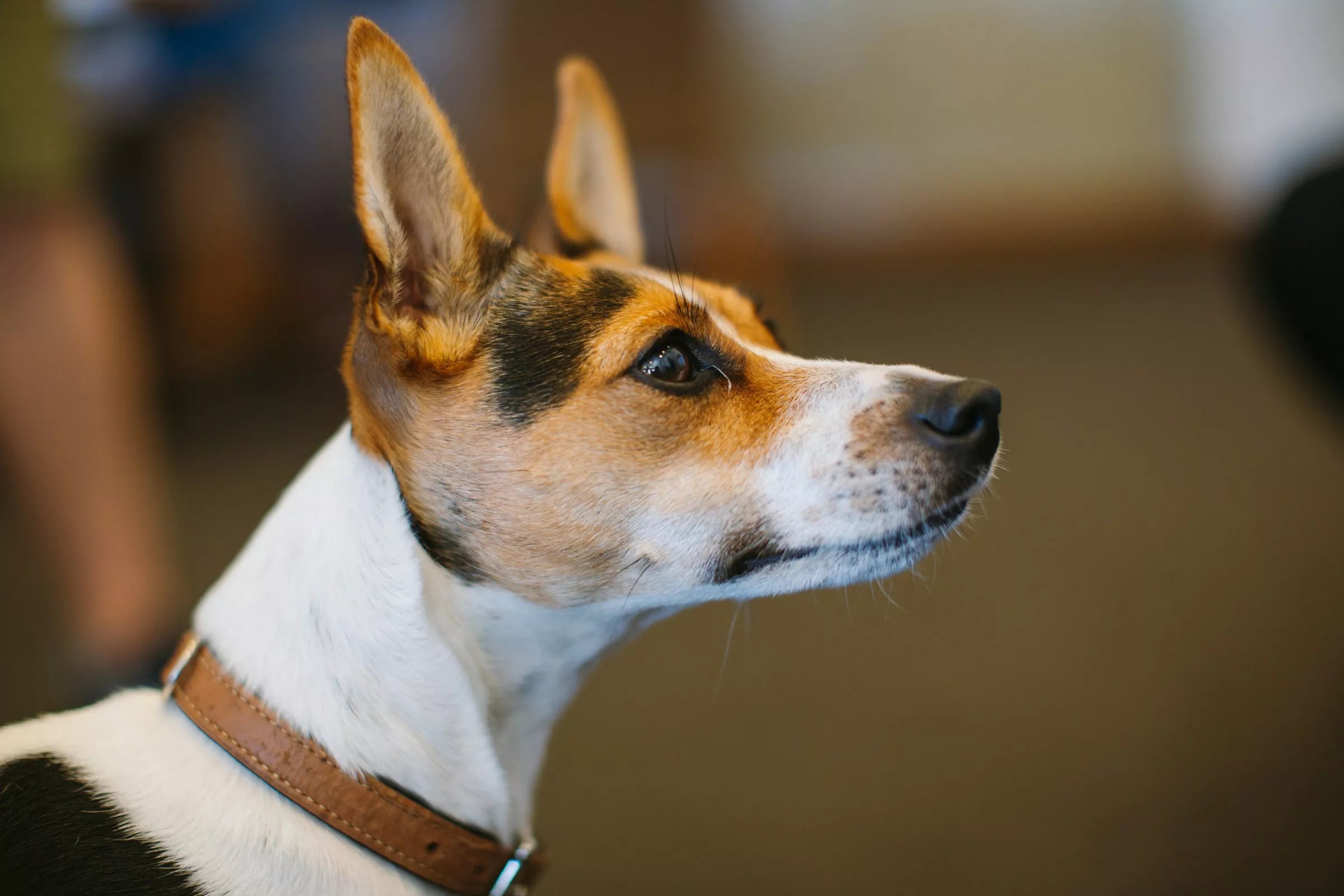
100+ Words Dogs Understand
Most dogs understand far more than "sit" and "stay."
Research suggests the average dog can recognise between 80 and 165 words, while highly intelligent dogs may understand 200 words or more. In extraordinary cases, some dogs have demonstrated the ability to learn the names of over 1,000 individual objects.
Dogs don't understand language exactly like humans do. Instead, they combine words, tone of voice, body language, routine and previous experiences to predict what is about to happen.
Whether you're teaching basic commands, strengthening your bond, or simply curious about canine intelligence, understanding how dogs process words can help you communicate far more effectively.
Most dogs understand around 80–165 words, while exceptionally intelligent dogs may recognise 200+ words. Dogs most easily learn words linked to food, walks, praise, toys, family members, routines and training through repetition and positive associations.
🐾 Training starts with the right equipment. Explore our Dog Harnesses, Harness, Collar & Leash Sets, and Dog Leashes for comfortable everyday training and walks.
Quick Jump
- How dogs actually learn words
- How many words can dogs understand?
- 100 words dogs understand (full list)
- Can you teach them new words?
- Helpful related guides
- FAQs
How Do Dogs Actually Learn Words?
Dogs don't learn language through grammar or sentence structure like humans. Instead, they build powerful associations between words and experiences.
For example, when you say "walk," your dog isn't translating the dictionary definition of the word. They're remembering everything that usually follows:
- The harness coming off the hook
- The sound of the lead clipping on
- The front door opening
- The excitement of going outside
Over hundreds of repetitions, these experiences become strongly connected to the word itself.
Dogs often recognise the same word even when spoken by different family members because they combine the sound of the word with context, routine and previous experiences.
Many everyday words become emotional triggers rather than simple vocabulary.
| Word | What Your Dog Usually Associates It With |
|---|---|
| Walk | Adventure, exercise and excitement |
| Dinner | Food arriving soon |
| Treat | Reward or positive behaviour |
| Car | Travelling somewhere interesting |
| Bed | Rest and comfort |
| Ball | Playtime |
| Bath | A less exciting prediction... |
Read next: Can Dogs Understand Human Words?
How Many Words Can Dogs Understand?
Most family dogs are capable of recognising somewhere between 80 and 165 words throughout their lives.
That includes far more than training commands.
Dogs commonly learn:
- Commands
- Family names
- Favourite toys
- Daily routines
- Locations
- Praise words
- Food-related words
- Walking equipment
Highly motivated dogs living in enriched environments often develop much larger vocabularies simply because they hear more repeated language every day.
Myth: Dogs only understand training commands.
Reality: Many dogs recognise names of people, favourite toys, places, daily routines, emotional cues and even individual objects around the home.
100 Words Dogs Understand (Full List)
The exact number varies from dog to dog, but these are among the most commonly recognised words found in everyday life.
| Category | Words Dogs Commonly Recognise | Meaning To Your Dog |
|---|---|---|
| Training Commands | Sit, Stay, Come, Down, Wait, Heel, Leave It, Drop It, Off, Stop | Behaviour cues and expected actions. |
| Food & Rewards | Food, Dinner, Breakfast, Treat, Biscuit, Snack, Bone, Chew, Hungry, Yum | Positive anticipation and rewards. |
| Walks & Adventure | Walk, Walkies, Outside, Park, Beach, Car, Ride, Lead, Harness, Sniff | Exercise, excitement and exploration. |
| Play | Ball, Toy, Fetch, Tug, Frisbee, Chase, Catch, Play, Jump, Find | Games and interaction. |
| People | Mum, Dad, Baby, Grandma, Grandpa, Friend, Visitor, Vet, Doggy, Name | Recognising familiar individuals. |
| Comfort | Bed, Blanket, Sofa, Home, Sleep, Nap, Cuddle, Goodnight, Pillow, Relax | Rest and security. |
| Objects | Collar, Harness, Lead, Bowl, Water, Door, Garden, Window, Kennel, Crate | Daily routines and familiar equipment. |
| Praise & Emotion | Good Boy, Good Girl, Clever, Yes, No, Okay, Gentle, Careful, Quiet, Nice | Positive or corrective emotional feedback. |
| Routine | Morning, Bedtime, Upstairs, Downstairs, Home, Bye, Hello, Later, Soon, Again | Predictable daily structure. |
| Safety | Wait, Slow, Back, Careful, Stop, Easy, Leave, Watch, Here, Close | Protection and movement guidance. |
While not every dog will know all 100 words, most dogs build an impressive vocabulary through everyday life without owners even realising it.
Which Types Of Words Do Dogs Learn Fastest?
Some categories naturally carry more emotional meaning than others, making them easier for dogs to learn.
Related Guides You May Also Find Helpful
If you're interested in how dogs understand the world around them, these guides dive deeper into canine communication, behaviour, and intelligence.
- Can Dogs Understand Human Words?
- Do Dogs Recognise Faces?
- Do Dogs Dream About Their Owners?
- Do Dogs Understand Kisses?
- Can Dogs Sense Bad People?
- Can Dogs Recognise Themselves?
- How Dogs Choose Their Favourite Person
- Do Dogs Know You're Coming Home?
Can You Increase Your Dog's Vocabulary?
Absolutely. Dogs continue learning throughout their lives, and introducing new words keeps their brains engaged.
Many owners unknowingly teach dozens of extra words simply through everyday routines.
For example, your dog may eventually learn:
- The names of favourite family members.
- Specific parks or walking routes.
- The names of favourite toys.
- Different rooms around the house.
- Holiday locations.
- Friends' dogs.
- Different foods and treats.
The more consistently you pair words with positive experiences, the stronger those associations become.
Do Dogs Understand Words or Tone?
The answer is both—but they don't contribute equally.
Tone of voice grabs your dog's attention. Once they're listening, the specific word helps predict what happens next.
For example, saying "walk" in an excited voice often creates immediate anticipation because your dog has experienced that sequence hundreds of times before.
Likewise, calm words spoken in a relaxed tone can help dogs settle more effectively than simply repeating commands loudly.
This combination of vocabulary, repetition, body language and emotional tone is what makes communication with dogs surprisingly sophisticated.
Everyday Words Many Owners Accidentally Teach
Without realising it, most owners build their dog's vocabulary through repeated routines.
| Word | Likely Meaning To Your Dog |
|---|---|
| Amazon | Doorbell is about to ring |
| Bath | Something I'd rather avoid... |
| Vet | Car journey followed by unfamiliar smells |
| Nan / Grandma | Favourite visitor with treats |
| Holiday | Suitcases and changes to routine |
| Pub | Social outing and attention |
| Bedtime | Evening routine begins |
| Bye Bye | Owner leaving the house |
| Who's that? | Someone is approaching |
| Where's your ball? | Begin searching game |
These aren't formally trained commands—but repeated enough, they become part of your dog's vocabulary.
Training Works Best When Dogs Are Comfortable
Dogs learn best when they feel relaxed, confident and able to focus.
Comfortable equipment won't teach vocabulary on its own, but it can make everyday training sessions more enjoyable.
If you're practising recall, loose-lead walking or everyday communication, using a properly fitted harness can help keep your dog's attention on you instead of discomfort around their neck.
Helpful guides include:
Conclusion
Dogs may never understand language exactly as humans do, but they are remarkably skilled communicators.
Most dogs learn somewhere between 80 and 165 words, while highly trained individuals can recognise hundreds more through consistent repetition, positive experiences and everyday routines.
Whether you're teaching "sit", introducing a new toy, or simply saying "walk", every repeated interaction helps strengthen your dog's understanding of the world around them.
The better we communicate with our dogs, the stronger our relationship becomes—and often, that's what makes life together so rewarding.
🐾 Helping your dog learn starts with enjoyable daily routines. Explore our collection of comfortable dog harnesses, dog leads, walking sets and Canine Cordura® gear, designed to make training and adventures more enjoyable for both you and your dog.
Frequently Asked Questions
How many words can most dogs understand?
Most family dogs understand between 80 and 165 words, although highly intelligent and extensively trained dogs may recognise several hundred.
What words do dogs learn first?
Words linked to food, walks, praise, family members and favourite toys are usually learned earliest because they're repeated frequently.
Can dogs understand full sentences?
Not in the same way humans do. Dogs generally recognise important keywords alongside tone of voice, body language and context.
Which dog breed understands the most words?
Border Collies consistently rank among the best at learning vocabulary, with some exceptional individuals recognising over 1,000 object names.
Do older dogs still learn new words?
Yes. Dogs can continue learning throughout their lives, although consistency and repetition remain important.
Do dogs understand names?
Yes. Many dogs learn the names of family members, other pets, favourite toys and even familiar places through repeated exposure.
Do dogs understand praise?
Absolutely. Positive words combined with encouraging tone and rewards quickly become meaningful to most dogs.
How can I teach my dog more words?
Use the same word consistently, immediately pair it with the relevant action or object, reward correct responses, and practise little and often.


Share:
Can Dogs Eat Dairy?
Which Dog Breed Is Right For You? A Match Guide
1 comment
Was “pup-cup” on that list? :)