


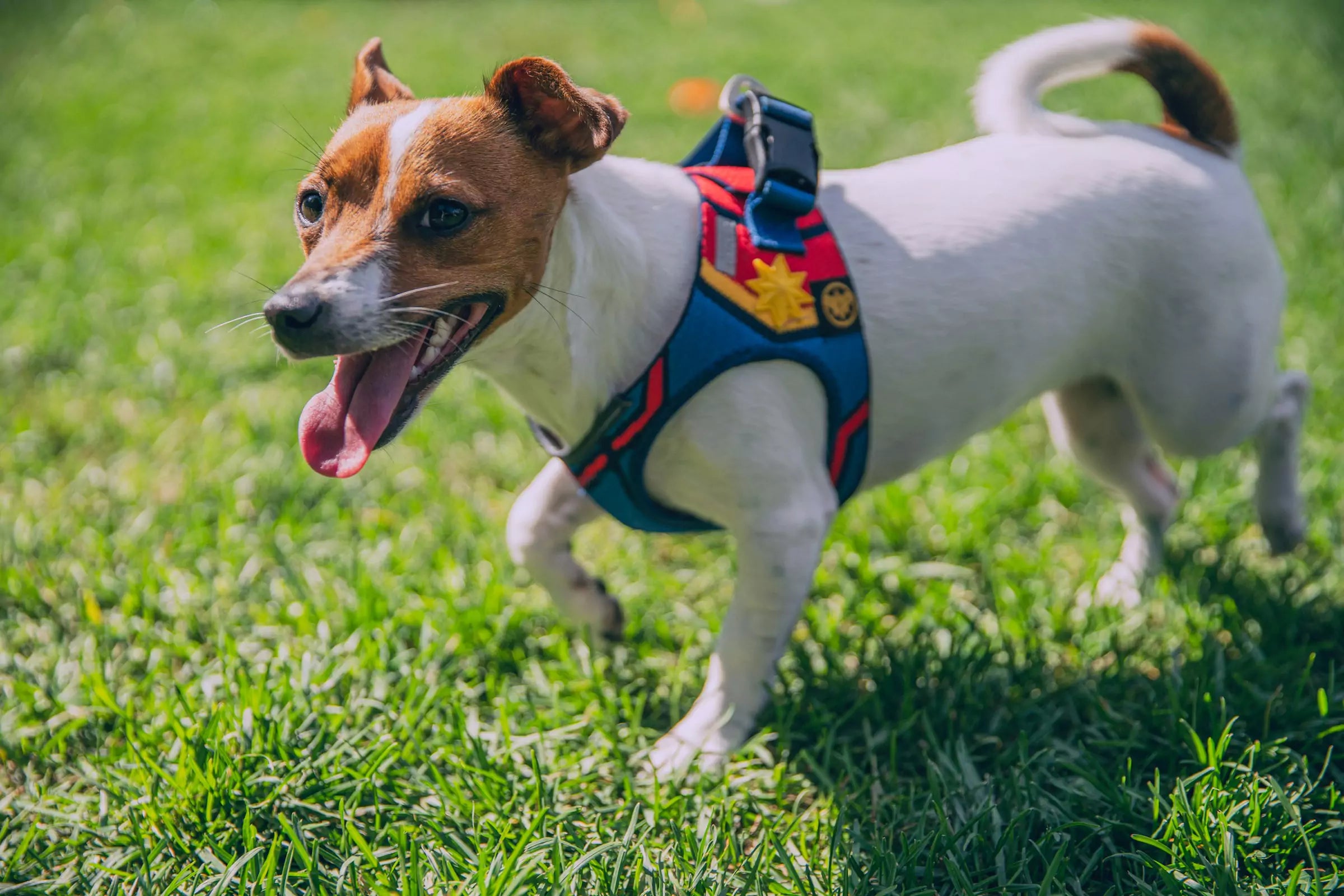
Are Y-Shape Dog Harnesses Better?
Choosing the right harness can make a huge difference to your dog’s comfort, movement, and safety on walks. While there are many harness styles available, Y-shape dog harnesses are increasingly recommended by trainers, dog owners, and professionals because of how they support natural movement and reduce pressure on sensitive areas.
Whether you have a strong puller, an active dog, or simply want a safer and more comfortable walking experience, a well-fitted Y-shape harness is often one of the best choices available.
Quick Answer
Y-shape dog harnesses are considered better because they allow natural shoulder movement, distribute pressure more evenly across the chest, and provide greater comfort and control than many traditional harness styles.
Many dog owners choose Y-shape harnesses for active dogs, pullers, puppies, and deep-chested breeds.
Jump to Section
- Benefits of Y-shape harnesses
- Why shoulder movement matters
- Do Y-shape harnesses help with pulling?
- Y-shape vs other harnesses
- How to fit a Y-shape harness properly
- Best dog breeds for Y-shape harnesses
- Harness sizing guides
- FAQs
What Is a Y-Shape Dog Harness?

A Y-shape harness is designed to form a “Y” shape across the front of the dog’s chest. Unlike some harness styles that sit horizontally across the shoulders, a Y-shape harness follows the natural lines of the dog’s body and keeps pressure away from the throat and shoulder joints.
This design helps improve comfort, mobility, and overall fit during walks.
Most Y-shape harnesses include:
- Adjustable chest and neck straps
- Front and/or back leash attachment points
- Padded sections for comfort
- A more ergonomic fit around the chest and shoulders
Benefits of Y-Shape Dog Harnesses
1. Better Freedom of Movement
One of the biggest advantages of a Y-shape harness is that it allows dogs to move naturally without restricting the shoulders.
This is especially important for:
- Active dogs
- Working breeds
- Dogs that hike or run regularly
- Young dogs still developing
2. Reduced Pressure on the Neck
Unlike collars, which place pressure directly on the neck and throat, Y-shape harnesses distribute force more evenly across the chest.
This can help reduce strain during walks, especially for dogs that pull.
3. Improved Comfort
A properly fitted Y-shape harness generally feels more comfortable because it avoids rubbing sensitive areas around the shoulders and throat.
Many dogs tolerate Y-shape harnesses better than restrictive step-in or straight-front styles.
4. Better Control on Walks
Many Y-shape harnesses include front and back leash attachment points, giving owners more control during walks and training.
This can be particularly useful for energetic or excitable dogs.
Why Shoulder Movement Matters in Dog Harnesses

A dog’s shoulders play a major role in natural movement, balance, and stride length. Harnesses that sit directly across the shoulder joints can restrict this movement and potentially create discomfort over time.
Y-shape harnesses are designed to avoid crossing horizontally over the shoulders, allowing dogs to walk, run, and turn more naturally.
This is one reason many trainers and dog owners prefer Y-shape designs for active breeds and long-term use.
Breeds that particularly benefit from free shoulder movement include:
- Labradors
- Golden Retrievers
- German Shepherds
- Border Collies
- Huskies
- Staffordshire Bull Terriers
What Does a Y-Shape Harness Look Like?
Y-shape harnesses are named after the “Y” shape visible across the chest. This design helps keep pressure centred around the chest rather than the neck or shoulders.
Example of a Y-shape harness fit:

A properly fitted Y-shape harness should sit comfortably around the chest while allowing full shoulder movement.
Do Y-Shape Harnesses Help with Pulling?
While no harness completely stops pulling on its own, many dog owners find Y-shape harnesses easier and safer to walk with compared to collars.
Because pressure is distributed more evenly across the chest, walks often feel more controlled and comfortable for both dog and owner.
Some Y-shape harnesses also include a front leash attachment, which can help redirect forward pulling motion during training.
For dogs that pull heavily on the lead, pairing a good harness with loose-lead training is usually the most effective long-term solution.
Browse harnesses designed for comfort and control
Y-Shape Harness vs Other Harness Types
| Harness Type | Shoulder Freedom | Comfort | Control |
|---|---|---|---|
| Y-Shape Harness | Excellent | Excellent | Very Good |
| Step-In Harness | Moderate | Good | Moderate |
| Traditional Straight-Front Harness | Limited | Variable | Good |
| Collar Only | Excellent | Low for pullers | Limited |
How to Fit a Y-Shape Harness Properly
Even the best harness design can become uncomfortable if fitted incorrectly.
When fitting a Y-shape harness:
- The chest strap should sit behind the front legs
- The front section should not press into the throat
- You should be able to fit two fingers under the straps comfortably
- The harness should feel secure without restricting movement
If your dog falls between sizes, choosing the larger size and adjusting the straps is usually the safest option.
Best Dog Breeds for Y-Shape Harnesses
Y-shape harnesses are suitable for most dogs, but they are especially popular for active, strong, and deep-chested breeds.
- Labrador Retriever Guide
- Golden Retriever Guide
- German Shepherd Guide
- Border Collie Guide
- Staffordshire Bull Terrier Guide
- Husky Guide
Helpful Sizing Guides
- Dog Chest Size Chart
- Dog Neck Size Chart
- Dog Weight Chart
- Dog Height Chart
- Dog Harness Size Guide
- All Breed Guides
Are Y-Shape Harnesses Vet Recommended?
Many professionals recommend Y-shape harnesses because they generally allow more natural movement and reduce pressure around the neck compared to collars.
However, proper fit is just as important as harness style. A poorly fitted harness of any type can still cause discomfort.
Why Some Dogs Dislike Certain Harnesses
Dogs may dislike harnesses that:
- Restrict shoulder movement
- Rub under the legs
- Press into the throat
- Fit too tightly
- Are difficult to put on
Many owners switch to Y-shape harnesses because dogs often appear more comfortable and relaxed wearing them.
Conclusion
Y-shape dog harnesses offer an excellent balance of comfort, safety, control, and freedom of movement. Their ergonomic design makes them one of the most popular choices for dog owners looking for a secure and comfortable walking solution.
Whether you have a puppy, an active working breed, or simply want a safer alternative to a collar, a properly fitted Y-shape harness is often one of the best long-term options available.
Browse Canine Culture harnesses
FAQs
Are Y-shape harnesses better for dogs?
Many dog owners and professionals prefer Y-shape harnesses because they allow more natural movement and distribute pressure more evenly across the chest.
Are Y-shape harnesses good for pullers?
Yes, especially when combined with proper lead training. Many owners find them more comfortable and easier to control than collars.
Can Y-shape harnesses restrict movement?
When properly fitted, Y-shape harnesses are generally designed to minimise movement restriction compared to some other harness styles.
Are Y-shape harnesses suitable for puppies?
Yes. Adjustable Y-shape harnesses are often a good choice for growing puppies because they provide comfort and flexibility.
What size harness should I get?
Measure your dog’s chest and neck and compare the measurements to the sizing guide provided by the brand.
Can dogs wear a harness every day?
Dogs can wear harnesses daily for walks and outings, but most owners remove them indoors for comfort.
What breeds benefit most from Y-shape harnesses?
Active and deep-chested breeds such as Labradors, Huskies, Border Collies, and German Shepherds often benefit particularly well from Y-shape harnesses.
Are Y-shape harnesses better than collars?
For many dogs, yes. Harnesses generally reduce strain on the neck and provide better control during walks.



Share:
What Are the Signs of a Healthy Dog?
The Benefits of Grain-Free Dog Food
1 comment
Totally agree on the Y-shape! I noticed my pup was actually ‘short-stepping’ in his old harness because the chest strap was blocking his shoulders. I switched to a no pull dog harness and a dog harness with handle from Yapstore, and he moves so much more naturally now. That back handle is also a lifesaver for keeping him close when he gets too hyped up. It’s a huge relief to see him finally walking comfortably without those straps digging in. Has anyone else noticed their dog actually calms down once their movement isn’t restricted?