


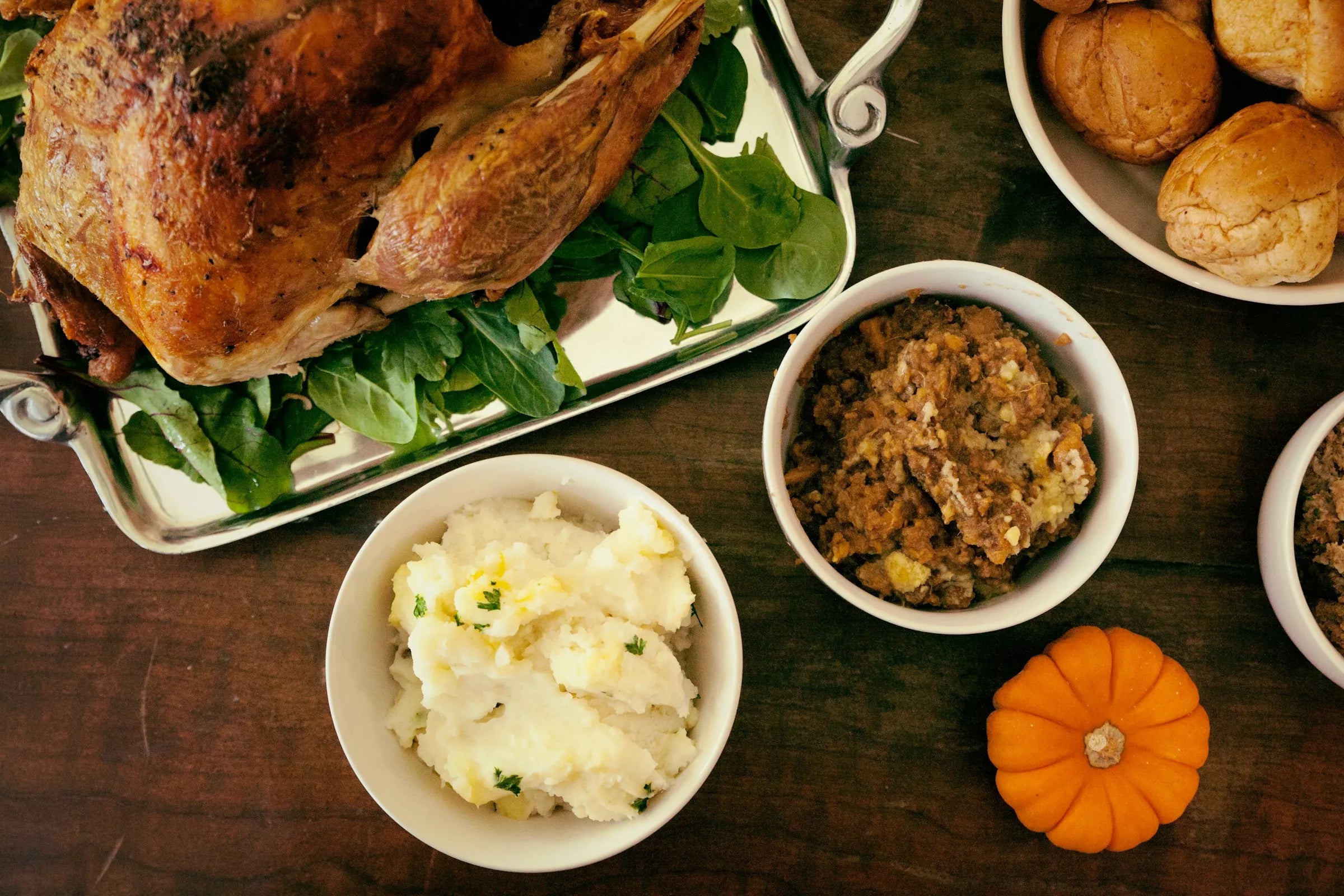
What Human Foods Can Dogs Eat? A Practical Guide for Dog Owners
Most dog owners have wondered the same thing at some point.
You’re preparing food, your dog is watching closely, and the question arises: Can dogs eat this?
Some human foods are perfectly safe in moderation. Others can cause digestive issues — or even serious health problems.
Understanding the difference helps you make safer choices for your dog.
Human Foods Dogs Can Eat Safely

Many natural foods can be healthy treats when given in small amounts.
- Apples — remove the seeds and core before feeding.
- Bananas — high in potassium and safe in small portions.
- Blueberries — rich in antioxidants and easy to digest.
- Carrots — crunchy, low-calorie, and good for teeth.
- Cucumber — refreshing and very low in calories.
- Plain cooked chicken — a great lean protein source.
- Plain cooked rice — often used for sensitive stomachs.
- Plain pumpkin — can support digestive health.
- Watermelon — safe if seeds and rind are removed.
Even safe foods should be offered occasionally rather than as meal replacements.
Foods Dogs Can Eat in Moderation

Some foods are not toxic but should only be given sparingly.
- Cheese — many dogs enjoy it, but it can be high in fat.
- Peanut butter — safe if it does not contain xylitol.
- Bread — plain bread is usually harmless but offers little nutritional value.
- Eggs — cooked eggs can provide protein and nutrients.
- Yogurt — small amounts of plain yogurt may support digestion.
Treats — even healthy ones — should generally make up no more than about 10% of a dog’s daily calories.
Foods Dogs Should Never Eat

Some human foods are dangerous for dogs and should always be avoided.
- Chocolate — contains theobromine, which is toxic to dogs.
- Grapes and raisins — can cause kidney failure in dogs.
- Onions and garlic — may damage red blood cells.
- Xylitol — a sweetener that can cause severe drops in blood sugar.
- Alcohol — even small amounts can be harmful.
- Cooked bones — may splinter and cause internal injury.
If your dog consumes a potentially toxic food, contacting a veterinarian promptly is always the safest course of action.
Why Dogs React Differently to Some Foods
Dogs process food differently than humans.
Certain ingredients that are harmless to people can affect a dog’s metabolism or organs in unexpected ways.
This is why a balanced diet designed for dogs is usually the safest foundation.
If you’re curious about how dogs process different nutrients, you may also enjoy Are Dogs Carnivores? and How Much Protein Does My Dog Really Need?.
FAQs
Can dogs eat fruit?
Many fruits are safe for dogs in small amounts, including apples, blueberries, and bananas.
Can dogs eat peanut butter?
Yes, as long as the peanut butter does not contain xylitol, which is toxic to dogs.
Can dogs eat cheese?
Most dogs can tolerate small amounts of cheese, though some may be sensitive to dairy.
What is the most dangerous food for dogs?
Chocolate, grapes, raisins, onions, and xylitol are among the most dangerous foods for dogs.



Share:
10 Things Every First-Time Dog Owner Should Know
300 Unique Dog Names (With Meanings)