


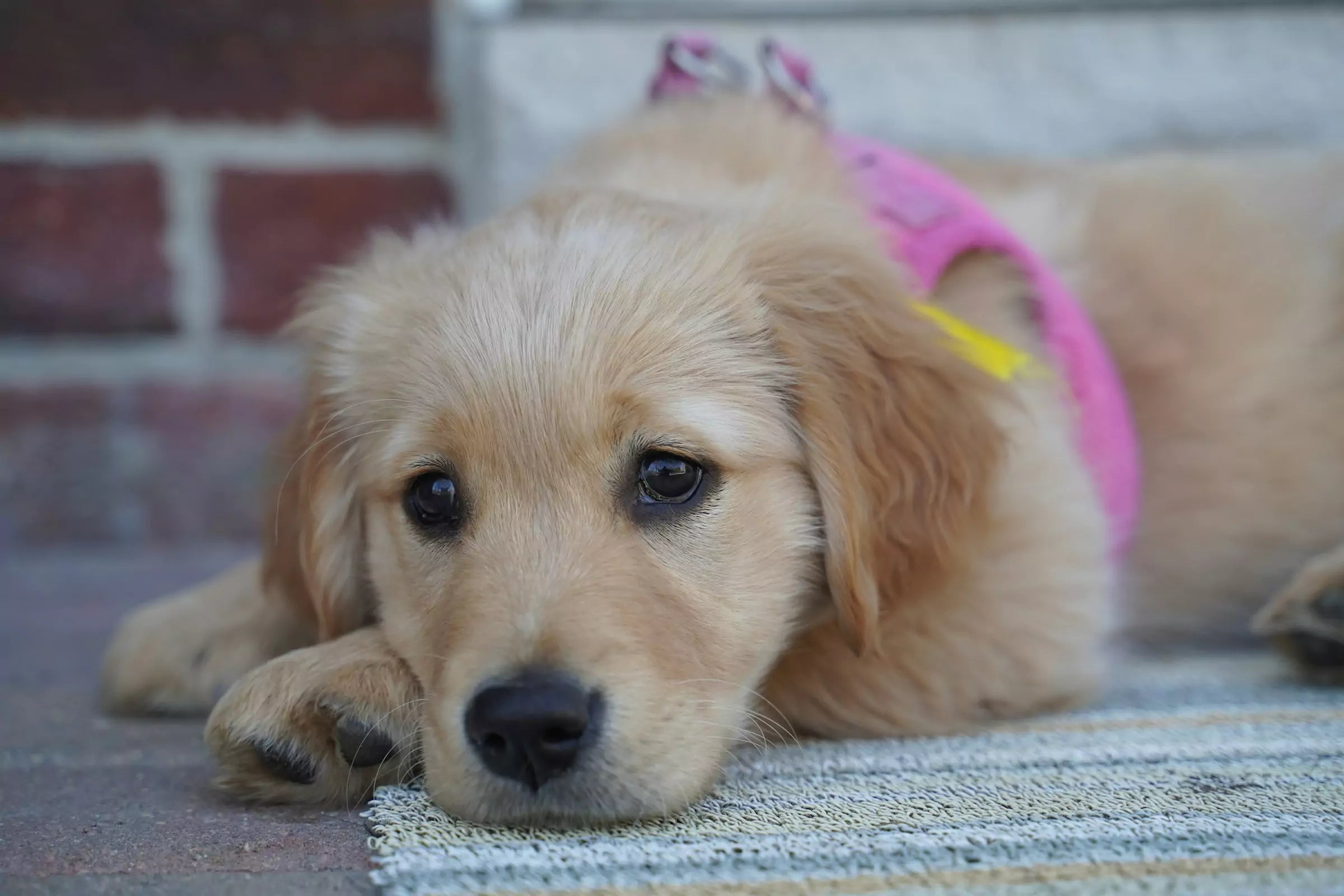
Can Puppies Wear Harnesses?
If you've just brought a new puppy home, working out what walking equipment is safe for them can feel surprisingly confusing. The good news: yes, puppies can wear harnesses—and for most breeds, a harness is actually the safest and most comfortable way to introduce lead walking.
But the right answer depends on your puppy's age, size and stage of development. This guide covers exactly when to start, how to choose a harness that won't restrict growth, and how to get your puppy comfortable wearing one without a fight at the front door.
Quick Answer
Yes, puppies can wear harnesses—most can start from around 8 weeks old, as soon as they begin lead training. A soft, adjustable Y-shaped harness is generally safer than a collar for puppies because it spreads pressure across the chest rather than the neck, which is especially important while their bones and joints are still developing. The key is choosing an adjustable harness that grows with your puppy and reintroducing it gradually so they see it as a positive experience, not a restraint.
Browse Puppy & Dog Harnesses →
Jump to Section
- What age can puppies start wearing a harness?
- Why a harness is safer than a collar for puppies
- How to choose the right puppy harness
- How to introduce a harness without a fight
- Common mistakes to avoid
- Puppy harness sizing by breed
- Recommended harnesses for puppies
- FAQs
What Age Can Puppies Start Wearing a Harness?
Most puppies can be introduced to a harness from around 8 weeks old—typically as soon as they arrive home and begin basic socialisation. There's no medical reason to wait longer, but timing and approach matter more than a strict age cut-off.
| Puppy Age | Harness Guidance |
|---|---|
| 8–10 weeks | Begin short indoor sessions wearing a lightweight harness. No outdoor lead walking yet if vaccinations aren't complete. |
| 10–12 weeks | Continue indoor and garden practice. Start building positive associations before outdoor walks begin. |
| 12–16 weeks | Once fully vaccinated (check with your vet), begin short outdoor walks using the harness they're already familiar with. |
| 4–6 months | Recheck sizing—this is typically the fastest growth period for most breeds. |
| 6+ months | Resize again as needed. Large breeds especially may need 2–3 size changes in the first year. |
Vets generally advise against outdoor walks in public spaces until a puppy's vaccination course is complete. This makes the 8–12 week window a good opportunity: your puppy can get comfortable wearing a harness at home, in the garden, or on your lap, with zero pressure, before it's ever paired with an actual walk.
Why a Harness Is Safer Than a Collar for Puppies
A collar isn't unsafe for identification purposes, but for lead walking, a harness is the better choice for a growing puppy for a few specific reasons:
- Protects developing joints and airways. A puppy's neck, throat and spine are still developing. A harness distributes pressure across the chest and shoulders instead of concentrating it on the neck.
- Reduces the risk of tracheal irritation. Puppies that pull or lunge on a collar—which most do while learning—can put repeated strain on a still-forming trachea. This is a particular consideration for small and toy breeds.
- Prevents collar slip-outs. Puppies have narrower heads relative to their neck size than adult dogs, making it easier for them to back out of a collar if startled. A correctly fitted harness is much harder to escape from.
- Builds better walking habits early. Learning to walk attached at the chest, rather than being corrected from the neck, tends to make lead training smoother from the outset.
For a deeper comparison, see our guide on choosing the correct harness size, and why many vets recommend Y-shaped harnesses specifically.
How to Choose the Right Puppy Harness
Not every harness is suitable for a growing puppy. The features that matter most are different from what you'd look for in an adult dog harness.
| Feature | Why It Matters for Puppies |
|---|---|
| Multiple adjustment points | Puppies grow quickly—look for straps that adjust at the neck and chest, not just one. |
| Y-shaped front | Keeps the shoulders free to move naturally, supporting healthy gait development. |
| Lightweight material | A bulky, heavy harness can feel unfamiliar and discouraging for a small puppy. |
| Soft, padded straps | Reduces rubbing on delicate skin during the getting-used-to-it phase. |
| Room to grow | Choose a size with adjustment range rather than one that fits perfectly on day one. |
| Easy on/off design | Step-in or quick-clip designs reduce wriggling and stress during early sessions. |
To find the right starting size, measure your puppy's chest using our Dog Chest Size Chart, and check projected adult size with our Puppy Growth Chart so you know roughly how many resizes to expect.
How to Introduce a Harness Without a Fight
Most puppies aren't afraid of harnesses themselves—they're reacting to something new touching their body for the first time. A short desensitisation process makes a big difference.
Keep every session under two minutes for the first few days. Short and positive beats long and stressful—you're building a association, not testing endurance.
- Let them sniff it first. Place the harness on the floor with treats scattered near and on it before ever putting it on.
- Drape, don't buckle. Lay the harness over their back for a few seconds, reward, remove. Repeat over a few sessions.
- Clip it loosely. Once they're relaxed with step 2, fasten it loosely for a minute during playtime or feeding, then remove.
- Extend the time gradually. Build up to wearing it correctly fitted for 10–15 minutes during normal indoor activity.
- Attach the lead indoors first. Let them drag a lightweight lead around a safe room before any outdoor walk.
- Take the first walk somewhere calm. A quiet garden or hallway beats a busy street for the first few real walks.
If your puppy is a breed known for being more food-motivated or sensitive, pairing each stage with high-value treats speeds this process up considerably.
Common Mistakes to Avoid
Never leave a harness on an unsupervised puppy, especially one that's still chewing or teething. Straps can become a chew hazard, and an unattended puppy can get a paw or jaw caught in loose material.
| Mistake | Better Approach |
|---|---|
| Buying a harness "to grow into" | Choose the correct current size with adjustment range—not one that's currently loose. |
| Forcing it on quickly | Use the gradual desensitisation steps above; rushing creates a negative association. |
| Skipping resizing checks | Recheck the fit every 2–4 weeks during the first 6 months. |
| Using a harness designed for adult dogs | Look for genuinely adjustable, lightweight puppy-suitable designs. |
| Leaving it on all day | Remove indoors once training sessions or walks are finished. |
Puppy Harness Sizing by Breed
Because growth rate varies enormously by breed, how often you'll need to resize differs too. Here's a general guide for some commonly searched breeds:
| Breed | Typical Adult Harness Size | Resizing Frequency (First Year) |
|---|---|---|
| Labrador | Large | High—expect 3+ resizes |
| Golden Retriever | Large | High—expect 3+ resizes |
| Siberian Husky | Medium–Large | Moderate–High |
| Miniature Pinscher | Extra Small–Small | Lower—smaller growth range |
Don't see your breed listed? Our full Dog Size Charts hub covers chest, neck, weight and harness sizing across dozens of breeds.
Recommended Harnesses for Puppies
Look for a lightweight, adjustable Y-shaped design when shopping for a puppy—these give the best balance of comfort, growing room, and ease of introduction.
Custom Canine Y-Harness
A soft, fully adjustable Y-shaped harness with multiple fit points, making it a strong option as your puppy grows through their first size range. The step-in design also helps reduce fuss during early sessions.
Explore the Custom Canine Y-Harness →
Cordura® Step-In Harness
A lightweight step-in design that's easy to fasten without lifting paws through loops—useful for wriggly puppies still getting used to being handled.
Continue Learning
- Why Y-Shaped Dog Harnesses Are Better
- Dog Harness vs Collar for Large Dogs
- Can Pulling Damage a Dog's Shoulders?
- Puppy Growth Chart
- Dog Chest Size Chart
- Dog Harness Size Guide
Frequently Asked Questions
What age can a puppy start wearing a harness?
Most puppies can start from around 8 weeks old, beginning with short indoor sessions before any outdoor lead walking begins.
Is a harness better than a collar for a puppy?
For lead walking, yes. A harness spreads pressure across the chest rather than the neck, which is gentler on a puppy's still-developing joints and airway. A collar is still useful for carrying ID tags.
How do I know what size harness to buy for a puppy?
Measure your puppy's current chest size using a soft tape measure and compare it to a chest size chart. Choose an adjustable harness with room to grow, and recheck the fit every few weeks.
How often will I need to resize my puppy's harness?
It depends on the breed. Large and giant breeds may need 3 or more resizes in the first year, while smaller breeds typically need fewer adjustments.
Can a puppy wear a harness all day?
No. A harness should be worn during training sessions and walks, then removed indoors—particularly for puppies that are still teething, to avoid chew hazards.
My puppy freezes or won't move when wearing a harness—what should I do?
This is common and usually temporary. Go back a step in the desensitisation process, use high-value treats, and avoid clipping the lead on until your puppy is relaxed wearing the harness alone.
Should I buy a harness or wait until my puppy is older?
There's no benefit to waiting. Starting early—well before the first real walk—gives your puppy time to build a positive association, which typically makes lead training easier overall.

Share:
Top 100 Dog Names (2026 Edition)
How to Keep Your Dog Cool on a Walk (Full Guide)