


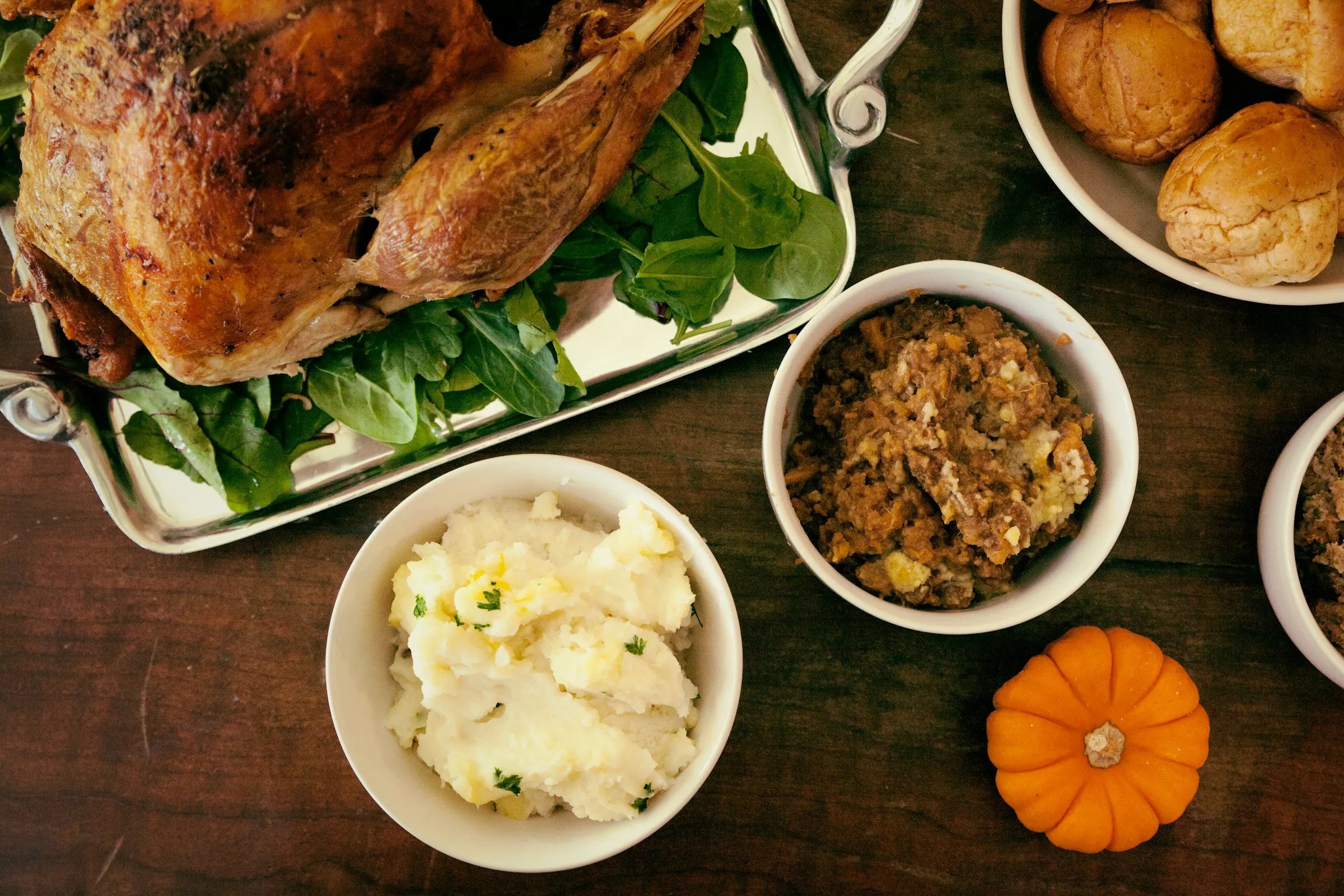
A balanced diet can transform your dog’s energy, coat, digestion, and long-term health. While every dog has different nutritional needs, some foods stand out as universally beneficial — offering natural vitamins, minerals, and antioxidants that support whole-body wellness. Here are seven of the healthiest foods you can add to your dog’s bowl, backed by research and trusted by vets.
Jump to:
- 1. Lean Meats (Turkey, Chicken, Beef, Lamb)
- 2. Eggs
- 3. Salmon & Other Oily Fish
- 4. Sweet Potato
- 5. Blueberries & Berries
- 6. Pumpkin
- 7. Green Vegetables
- FAQs
1. Lean Meats (Turkey, Chicken, Beef, Lamb)
 High-quality lean meat is rich in protein — essential for muscle maintenance, immune function, and healthy skin. Most dogs digest poultry especially well, but beef and lamb also provide important amino acids.
Benefits:
- Supports strong muscles
- Excellent source of energy
- Rich in essential amino acids
Always serve cooked and unseasoned meat — no garlic, onions, butter, or heavy marinades.
2. Eggs
 Eggs are one of the most nutrient-dense foods you can offer your dog. They’re packed with protein, healthy fats, vitamins, and minerals.
Benefits:
- Great for skin and coat health
- Easy to digest
- Rich in B vitamins and essential fatty acids
Serve cooked eggs (scrambled or boiled). Avoid adding salt or oils.
3. Salmon & Other Oily Fish
 Salmon, sardines, and mackerel are excellent sources of omega-3 fatty acids — crucial for joint health, brain development, and inflammation control.
Benefits:
- Supports healthy skin and a shiny coat
- Reduces inflammation (great for senior dogs)
- Boosts cognitive function in puppies and older dogs
Always feed cooked fish and remove bones. Avoid smoked, salted, or seasoned fish.
4. Sweet Potato
 Sweet potatoes are a gentle, high-fibre carbohydrate ideal for digestion support. Many sensitive dogs tolerate them well.
Benefits:
- Rich in dietary fibre
- Packed with vitamins A, B6, and C
- Supports healthy digestion
Serve boiled or baked and mashed, with no added butter or seasoning.
5. Blueberries & Berries
 Blueberries are one of the best antioxidant sources for dogs. They help protect cells, support immunity, and promote long-term health.
Benefits:
- High in antioxidants
- Low-calorie training treats
- Supports brain health
Feed in moderation, especially to small dogs, to avoid upset stomachs.
6. Pumpkin
 Pumpkin is a go-to for digestive balance. It’s low in calories but high in fibre, making it ideal for both constipation and loose stools.
Benefits:
- Excellent for sensitive stomachs
- Supports healthy digestion
- Rich in vitamins and minerals
Use plain cooked pumpkin or 100% pumpkin puree — not spiced pie filling.
7. Green Vegetables
 Vegetables like green beans, spinach, broccoli, and courgette offer vitamins, minerals, and fibre that support overall wellbeing.
Benefits:
- Low-calorie and nutrient-dense
- Good for weight management
- Supports digestion and immunity
Serve steamed or lightly cooked to make them easier to digest.
FAQs
Can I feed my dog raw meat?
Raw feeding is popular, but it carries risks such as bacteria and unbalanced nutrients. Always consult your vet or a canine nutritionist before feeding raw diets.
Are fruits safe for dogs?
Many fruits are safe, like apple, banana, and blueberries. Avoid grapes, raisins, and cherries — they’re toxic.
How much “human food” can dogs eat?
Treats — including healthy whole foods — should make up no more than 10% of daily calories.
Can dogs eat dairy?
Some dogs tolerate small amounts, but many are lactose-sensitive. It’s best kept as an occasional treat.
What’s one food I should never give my dog?
Onions, garlic, grapes, raisins, chocolate, and xylitol-sweetened items are all dangerous and should be avoided entirely.






Share:
Does Your Dog Know You’re Coming Home? (Explained)
Your Dog Can Smell Your Stress