


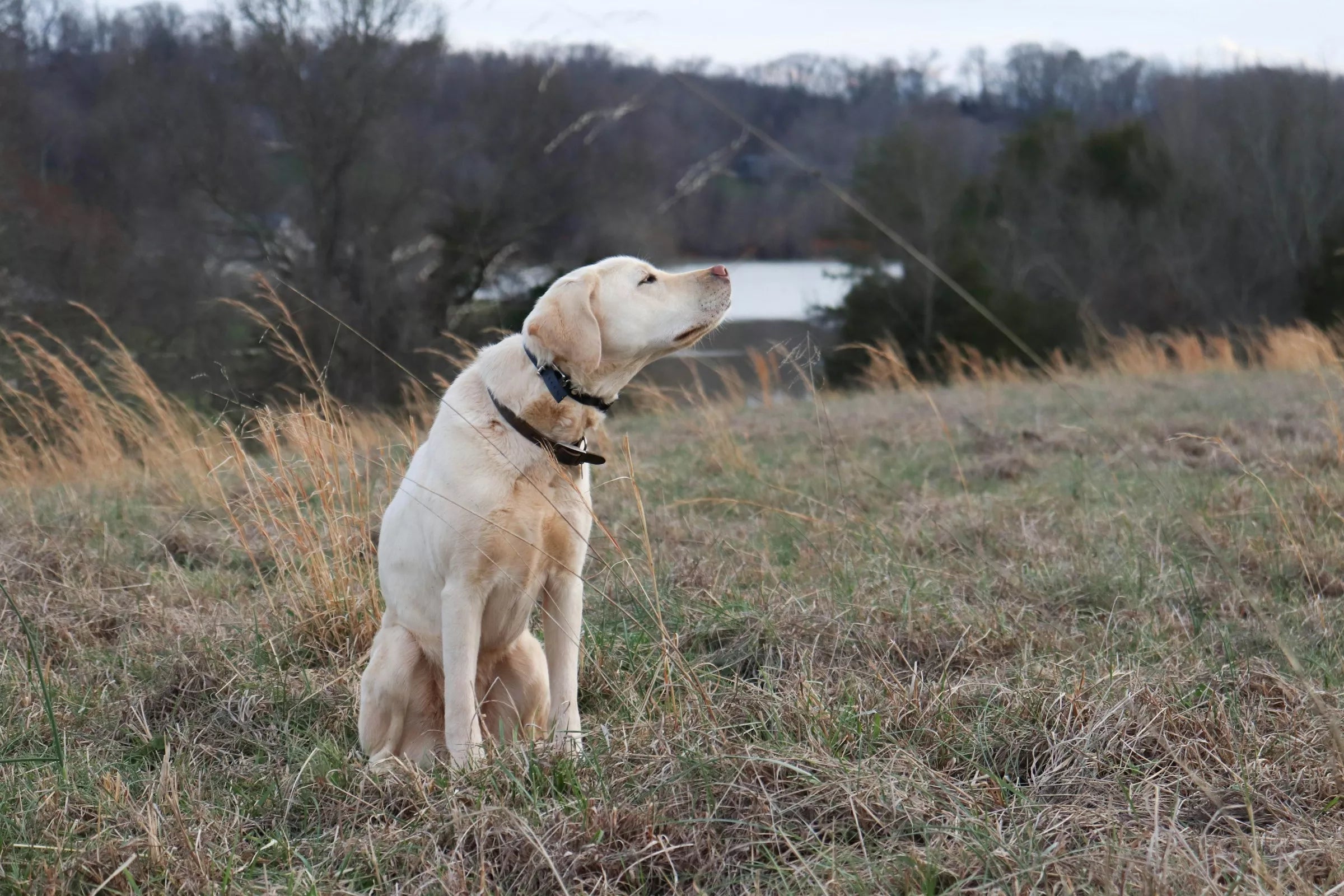
To humans, a walk is about movement.
To dogs, it’s about information.
Every lamppost, blade of grass, and pavement edge carries a story — who passed by, when, how they were feeling, and what changed since yesterday.
Sniffing isn’t a pause in the walk. It is the walk.
How Dogs Experience Walks
 Dogs don’t measure walks in steps or minutes.
They measure them in scent layers, novelty, and choice.
While humans rely heavily on vision, dogs rely primarily on smell. What looks like an “empty” path to us is rich with data to them.
Rushing a dog through a walk removes their ability to engage with the world in the way their brain is designed to.
Your Dog’s Nose Is Their Primary Sense
A dog’s sense of smell is tens of thousands of times more sensitive than ours.
They can detect emotional states, hormonal changes, time passing, and individual identity through scent alone.
When a dog sniffs, their brain is actively processing, categorising, and interpreting information — far more complex work than simply walking forward.
Sniffing Is Powerful Mental Exercise
 Mental exercise tires dogs in a healthy, balanced way.
Sniffing activates large areas of the brain responsible for:
- Decision-making
- Memory
- Emotional regulation
This is why a slow, sniff-heavy walk often results in a calmer dog at home than a fast, distance-focused one.
Mental fatigue supports relaxation. Physical exhaustion alone often does not.
Sniffing Helps Reduce Stress
Sniffing has a naturally calming effect on dogs.
It lowers heart rate, reduces cortisol levels, and gives dogs a sense of control over their environment.
This is particularly important for:
- Reactive dogs
- Anxious dogs
- Adolescent dogs
- Dogs adjusting to new environments
Allowing sniffing isn’t indulgent — it’s emotionally supportive.
Confidence and Behaviour Benefits
 Dogs build confidence through understanding their surroundings.
Sniffing helps dogs gather information at their own pace, which leads to:
- Improved emotional stability
- Better impulse control
- Reduced frustration behaviours
Dogs who are allowed to sniff freely are often calmer, more settled, and more responsive overall.
How to Encourage Healthy Sniffing on Walks
You don’t need to change your entire routine.
Simple shifts make a big difference:
- Slow down your pace
- Allow pauses without pulling
- Choose varied routes occasionally
- Use longer leads where safe
Think of walks less as exercise sessions and more as daily enrichment.
If this resonates, you may also enjoy why short walks can be better than long ones.
FAQs
Is it okay if my dog spends most of the walk sniffing?
Yes. For many dogs, sniffing is the most valuable part of the walk.
Won’t too much sniffing encourage pulling?
No — pulling usually comes from frustration or lack of clarity, not sniffing itself.
Can sniffing replace physical exercise?
Sniffing doesn’t replace movement entirely, but it significantly reduces the amount of physical exercise needed for mental balance.
Are sniff walks good for puppies and senior dogs?
Absolutely. Sniffing provides enrichment without placing strain on developing or aging joints.

Share:
Why Short Walks Can Be Better Than Long Ones
Why Does My Dog Stop to Sniff the Same Place Every Day?