


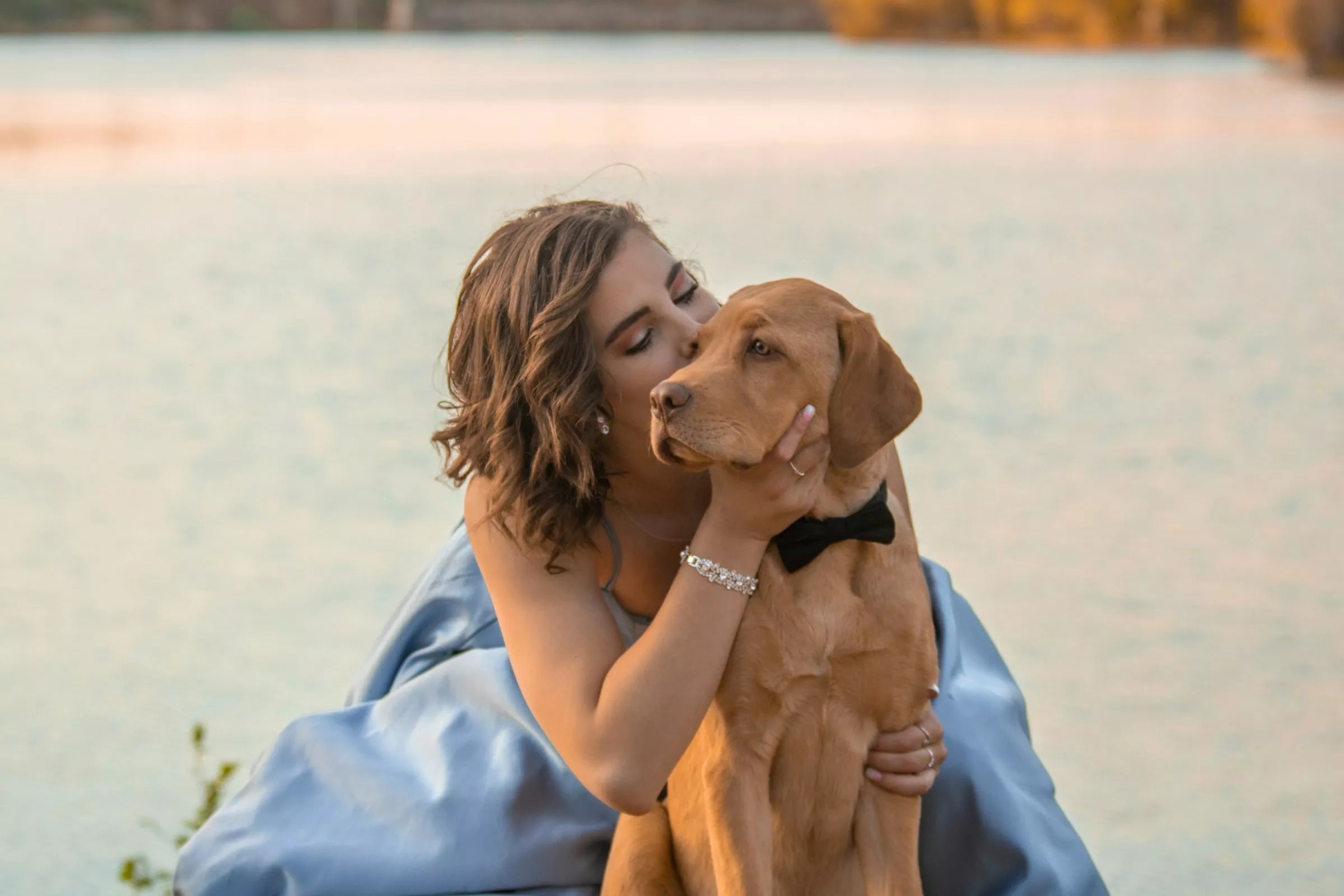
Do Dogs Understand Kisses?
For many dog owners, kissing their dog on the head is second nature. It's one of the simplest ways we show love and affection.
But have you ever wondered whether your dog actually understands what a kiss means?
The answer is fascinating.
Dogs don't naturally kiss each other in the same way humans do, but they are incredibly good at reading our behaviour. Over time, many dogs learn that kisses are part of a wider pattern of affection, attention and positive interaction.
Quick Answer
Dogs don't instinctively understand kisses in the way humans do. However, many learn through experience that kisses are associated with affection, gentle voices, petting and positive attention.
Whether a dog enjoys being kissed depends largely on their personality, previous experiences and how comfortable they feel with close human contact.
Jump to Section
- Do dogs understand kisses?
- Do dogs actually like kisses?
- How dogs interpret human affection
- Why dogs lick you after a kiss
- Better ways to tell your dog you love them
- Signs your dog enjoys affection
- When not to kiss your dog
- Related guides
- FAQs
Do Dogs Understand Kisses?

Not in the same way humans do.
Dogs don't naturally use kisses to express affection between one another. Instead, they communicate using body language, facial expressions, scent, posture and touch.
However, dogs are excellent at recognising patterns.
If every kiss is followed by a smile, gentle voice, stroking or cuddles, your dog quickly learns that kisses predict something positive.
In other words, they may not understand the cultural meaning of a kiss—but they often understand what it usually means to you.
How Dogs Interpret Human Affection
| Human Action | What Your Dog May Interpret |
|---|---|
| Kiss | Close, friendly interaction |
| Gentle petting | Comfort and affection |
| Soft voice | Safety and reassurance |
| Smile | Positive emotional cues |
| Eye contact (relaxed) | Trust and connection |
| Preparing the harness | Something exciting is about to happen |
Dogs rarely rely on one signal alone. Instead, they combine your facial expression, tone of voice, body language and routine to work out what you're communicating.
If your dog lights up the moment you reach for their harness, they've learned to associate that object with enjoyable experiences.
Browse comfortable everyday dog harnesses
Do Dogs Actually Like Being Kissed?

Some do.
Some don't.
Just like people, every dog has different comfort levels.
Many well-socialised dogs enjoy gentle kisses from people they trust because they've learned they're part of positive interactions.
Others may simply tolerate them.
And some dogs actively dislike having faces close to theirs.
Personality, breed, previous experiences and early socialisation all influence how comfortable a dog feels.
Why Does My Dog Lick Me After I Kiss Them?
If your dog immediately licks your face after you kiss them, it could mean several different things.
- They're returning affection.
- They're greeting you.
- They're trying to gather information through scent.
- They're responding to your emotional state.
- They're encouraging continued interaction.
Context matters.
A relaxed body, soft eyes and loose tail usually suggest your dog is comfortable and enjoying the interaction.
Signs Your Dog Enjoys Affection
Most dogs who enjoy kisses and cuddles display relaxed body language.
| Positive Signs | Possible Signs They'd Prefer Space |
|---|---|
| Loose body posture | Turning their head away |
| Soft eyes | Backing away |
| Relaxed ears | Lip licking when not eating |
| Gentle tail wagging | Yawning repeatedly |
| Choosing to stay close | Stiff body posture |
Respecting these signals helps build trust and strengthens your relationship over time.
Better Ways to Tell Your Dog You Love Them

Dogs often value your actions even more than physical affection.
You can strengthen your bond by:
- Playing together every day.
- Taking relaxed sniff walks.
- Using calm, positive voices.
- Providing enrichment games.
- Learning reward-based training.
- Giving them comfortable places to rest.
Many dogs feel most connected during shared activities rather than prolonged cuddling.
A comfortable walk together often means far more than a dozen kisses.
Learn why sniffing is more important than simply walking.
The Science Behind It
Research shows that dogs are remarkably skilled at reading human emotions.
They can recognise facial expressions, respond to tone of voice and even detect changes in our scent caused by different emotions.
This means your dog is unlikely to interpret the kiss itself—but they're very likely responding to everything that surrounds it.
That's one reason many owners feel their dog "knows" they're loved.
When Should You Avoid Kissing Your Dog?
Not every situation is suitable.
Avoid kissing your dog if they are:
- Sleeping.
- Eating.
- Showing signs of stress.
- Guarding food or toys.
- Recovering from illness.
- Unfamiliar with you.
Giving dogs space when they ask for it is one of the best ways to build long-term trust.
Related Guides
- Can Dogs Recognise Faces?
- Do Dogs Dream About Their Owners?
- Why Do Dogs Watch You Eat?
- Why Do Dogs Bring You Toys?
- 100 Words Dogs Understand
- Dog Harness Size Guide
- Dog Chest Size Chart
Conclusion
Dogs probably don't understand kisses in the same way humans do—but that doesn't mean they're meaningless.
Over time, dogs learn that kisses often accompany love, comfort and positive attention. Combined with your tone of voice, body language and daily routines, kisses become another signal that they're safe with someone they trust.
The best way to show your dog you love them isn't necessarily with more kisses—it's by consistently meeting their physical and emotional needs through kind handling, enrichment, training and quality time together.
FAQs
Do dogs know kisses mean "I love you"?
Not instinctively. However, many dogs learn that kisses are associated with affection and positive interactions.
Why does my dog lick me after I kiss them?
They may be returning affection, greeting you, responding to your scent or encouraging further interaction.
Do all dogs enjoy being kissed?
No. Some dogs enjoy kisses, while others simply tolerate them or prefer different forms of affection.
Is it okay to kiss my dog's head?
If your dog is relaxed and comfortable with close contact, gentle kisses on the head are generally well tolerated. Always pay attention to their body language.
How do dogs show affection?
Dogs commonly show affection by staying close, following you, licking, leaning against you, bringing toys, wagging their tail and seeking gentle physical contact.
What's the best way to bond with my dog?
Consistent training, enjoyable walks, enrichment activities, play, rest and positive daily interactions are some of the strongest ways to build trust and strengthen your relationship.
Share:
What Temperature Is Too Hot for Dogs? (Dog Weather Safety Guide)
Can Puppies Run Long Distances? (Safe Exercise by Age)