


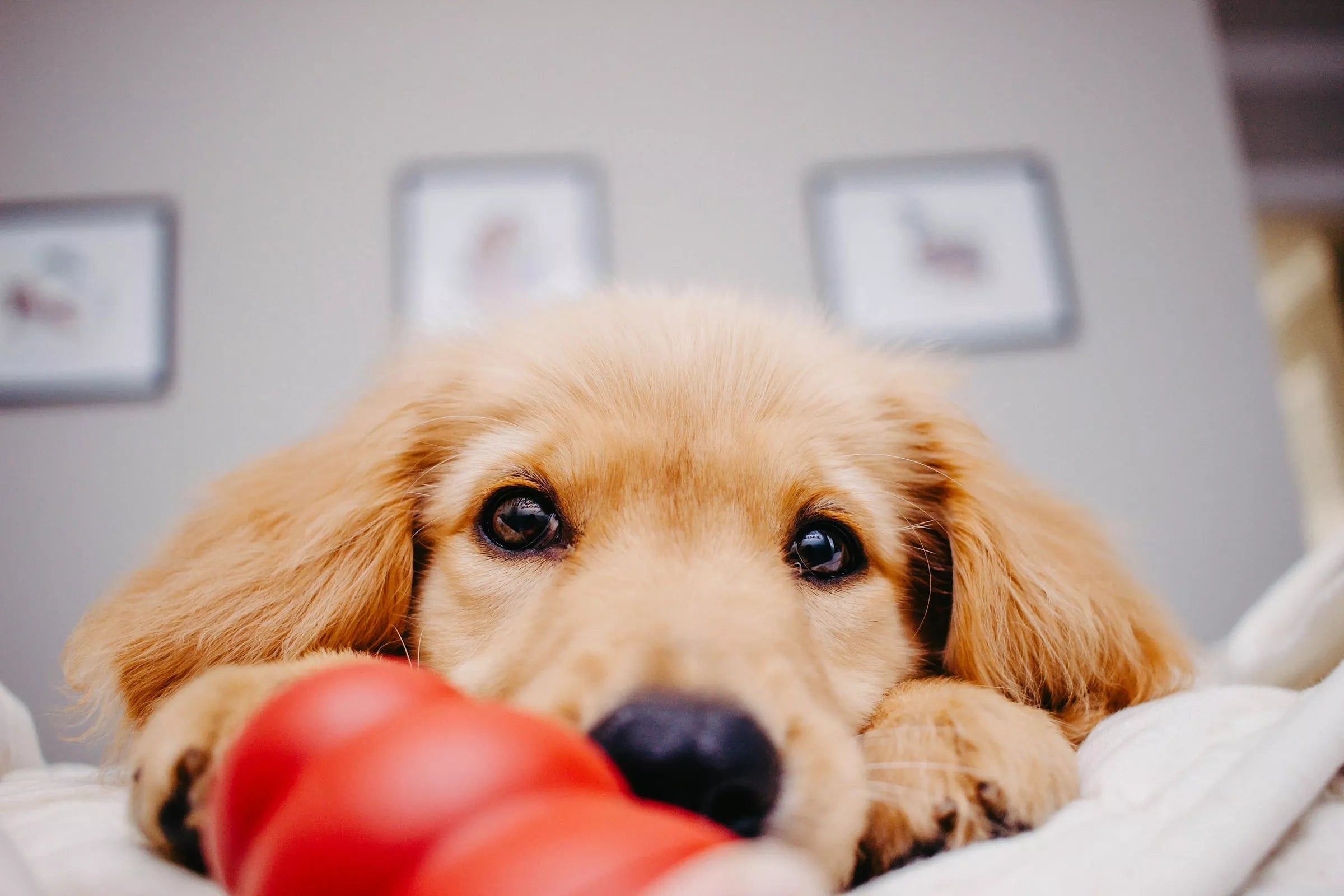
Do Dogs Get Embarrassed?
You laugh when your dog slips on the kitchen floor, misses a jump, farts loudly in front of guests, or suddenly freezes after doing something awkward.
And sometimes, they seem to react in a strangely human way.
They look away.
They avoid eye contact.
They suddenly disappear to another room.
Which raises an interesting question:
Do dogs actually get embarrassed?
The answer is surprisingly nuanced.
Dogs may not experience embarrassment exactly the way humans do — but they can experience social discomfort, stress, uncertainty, and sensitivity to how we react.
Quick Answer
Dogs probably do not feel embarrassment in the same complex, self-conscious way humans do.
However, dogs can become socially uncomfortable, confused, anxious, or sensitive to human reactions — which can sometimes look a lot like embarrassment.
What owners often interpret as “embarrassed” behaviour is usually linked to body language, emotional sensitivity, or social awareness.
Jump to Section
- Can dogs actually feel embarrassment?
- What the “guilty look” really means
- Why dogs seem embarrassed after awkward moments
- Signs your dog may feel socially uncomfortable
- What science says about dog emotions
- Helping shy or sensitive dogs feel confident
- Helpful related guides
- FAQs
Can Dogs Actually Feel Embarrassment?

Probably not in the same way humans do.
Human embarrassment is considered a self-conscious emotion. It usually involves social awareness, self-reflection, and worrying about how others perceive us.
Dogs likely do not think:
“Everyone saw me trip — how embarrassing.”
However, dogs are highly socially aware.
They pay close attention to:
- Human facial expressions
- Tone of voice
- Body language
- Changes in mood
- Social reactions
This means dogs can absolutely react to awkward situations — just not necessarily through embarrassment as humans understand it.
Read: Do Dogs Recognise Faces?
What the “Guilty Look” Really Means
Many owners assume dogs feel embarrassed or ashamed after doing something wrong.
You come home to a chewed shoe.
Your dog avoids eye contact.
Head down.
Tail low.
Suddenly looking very sorry for themselves.
But behaviour experts believe something different is often happening.
The “guilty look” is usually your dog responding to your reaction, not feeling guilt or embarrassment itself.
Your dog may simply be reading signals like:
- Tension in your voice
- Changes in posture
- Facial expression shifts
- Raised energy or frustration
In other words:
Dogs are often reacting to us — not reflecting on their mistakes.
Read: Why Dogs Understand Tone Better Than Words
Why Dogs Sometimes Seem Embarrassed After Awkward Moments
If dogs do not feel embarrassment like humans, why do they sometimes look embarrassed?
Usually because they are reacting to the situation around them.
For example:
| Situation | What May Actually Be Happening |
|---|---|
| Slipping on the floor | Surprise or confusion |
| Missing a jump | Momentary uncertainty |
| Being laughed at | Reading human reactions |
| Getting caught chewing something | Responding to owner tension |
| Awkward social moment with another dog | Stress or uncertainty |
Dogs are emotional and socially intelligent — but their feelings may not map perfectly onto human emotions.
Signs Your Dog May Feel Socially Uncomfortable
Sometimes what looks like embarrassment may actually be discomfort or uncertainty.
Signs can include:
- Avoiding eye contact
- Turning away
- Licking lips
- Tucking the tail
- Walking away
- Yawning when not tired
- Seeking reassurance
These behaviours are often calming signals rather than signs of embarrassment.
Read: Can Dogs Sense Bad People?
What Science Says About Dog Emotions

Research suggests dogs experience a range of emotions, including:
- Excitement
- Fear
- Affection
- Anxiety
- Frustration
- Attachment
- Social sensitivity
However, more complex emotions — such as shame, guilt, and embarrassment — are harder to prove scientifically.
Most behaviour experts believe dogs likely experience simpler emotional versions connected to social interactions.
Read: How Dogs Decide Who Their “Person” Is
Helping Shy or Sensitive Dogs Feel More Confident
Some dogs are naturally more sensitive than others.
If your dog seems easily overwhelmed or socially cautious, confidence-building can help.
This may include:
- Predictable routines
- Positive reinforcement
- Gentle socialisation
- Calm environments
- Confidence-building walks
- A secure place to relax
Many owners find nervous dogs feel more comfortable in walking gear that supports natural movement and confidence outdoors.
Explore comfortable walking harnesses
After busy or overstimulating days, having a calm, cosy place to decompress can also help sensitive dogs settle more easily.
Helpful Related Guides
- Do Dogs Recognise Faces?
- Why Dogs Understand Tone Better Than Words
- 6 Signs Your Dog Loves You
- How Dogs Decide Who Their “Person” Is
- Can Dogs Sense Bad People?
Conclusion
Dogs probably do not experience embarrassment exactly like humans do.
But they do experience emotions linked to social awareness, uncertainty, stress, and sensitivity to how we respond.
So when your dog gives you that awkward look after an accidental slip or a failed jump, they may not be embarrassed in the human sense — but they are likely very aware that something just happened.
And honestly?
That might make them even more relatable.
FAQs
Do dogs get embarrassed?
Dogs likely do not feel embarrassment like humans, but they may experience social discomfort or react to how people respond.
Why does my dog look embarrassed?
Dogs often react to tone, body language, or uncertainty, which can sometimes look like embarrassment.
Do dogs feel shame?
Most experts believe dogs do not experience shame in the same self-conscious way humans do.
What is the guilty dog look?
The guilty look is usually a dog responding to human emotions and body language rather than reflecting on wrongdoing.
Why does my dog hide after doing something naughty?
Your dog may be reacting to your tone or previous experiences rather than feeling guilt or embarrassment.
Can dogs feel emotions like humans?
Dogs experience many emotions, including affection, excitement, fear, and anxiety, though complex emotions are still debated.

Share:
Can Dogs Sense Bad People? (What Science Actually Says)
Why Do Dogs Watch You Eat? (What Your Dog Is Really Thinking)